
Document Attestation Made Easy in 2025
Discover everything you need to know about document attestation in 2025. Learn about attestation services, legal document attestation, and how to simplify the process for your important documents.
12/11/20258 min read
Understanding Document Attestation
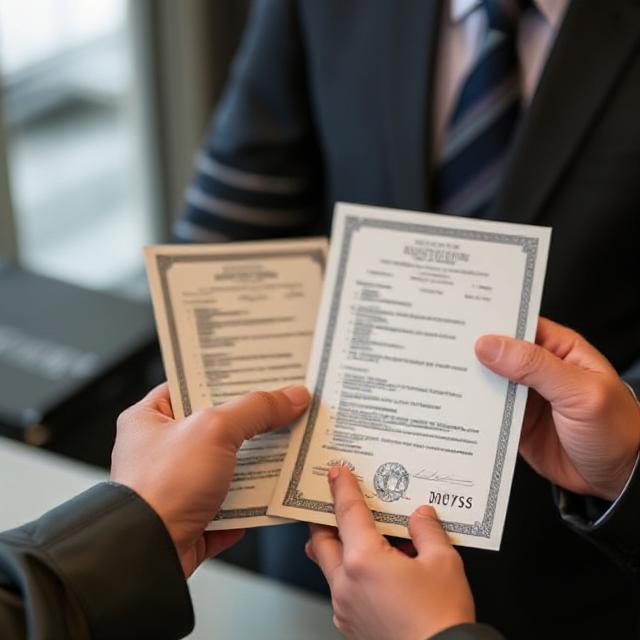
Document attestation is a critical process that involves verifying the authenticity of various documents to ensure their legitimacy in both personal and professional contexts. This process is particularly significant when individuals need to use their documents in foreign jurisdictions, where authorities require proof of authenticity to prevent fraud. The need for document attestation arises in several scenarios, including immigration applications, employment verification, and the validation of educational qualifications.
In immigration matters, for instance, authorities often require applicants to submit attested documents to demonstrate their eligibility for visas or residency. These documents can include birth certificates, marriage certificates, and academic transcripts. Similarly, in the corporate sphere, employers may ask for attested educational and professional documents to verify the qualifications of prospective employees. Educational institutions may also mandate document attestation for students seeking admission abroad, ensuring that their previous qualifications have been officially recognized.
Various types of documents typically require attestation, spanning across educational, personal, and professional categories. Educational documents include degrees, diplomas, and transcripts that require verification by relevant educational authorities. Personal documents such as birth, death, or marriage certificates may need attestation for legal or administrative purposes. On a professional level, documents like employment letters, experience certificates, and business contracts may also undergo this process to ensure credibility.
Overall, understanding document attestation is essential to navigate today’s global landscape, where individuals and organizations must present credible documentation for multiple purposes. As various processes continue to evolve, grasping the significance of document attestation can facilitate smoother transitions for individuals seeking opportunities abroad or engaging in international transactions.
The Document Attestation Process: Step-by-Step
The document attestation process is essential for individuals and businesses seeking to validate their documents for use in foreign jurisdictions. The procedure generally consists of a series of steps that ensure your documents are recognized as authentic by the relevant authorities. To start, it is important to gather all necessary documents. These may include educational certificates, birth certificates, marriage certificates, and other official papers that require attestation. Having these documents ready is the first crucial step.
Next, the authenticity of these documents must be verified. This usually involves checking their origin and ensuring that they have been issued by the appropriate authorities. For instance, educational certificates should be verified by the respective educational institution. It is advisable to keep multiple copies as some institutions may require the original documents for authentication purposes. After this verification, the next step is to obtain a legalization or certification from the appropriate governmental body, which may vary based on the type of document and its intended use.
In many cases, an apostille may also be needed. An apostille is a certification that verifies the authenticity of a document and is often required for use in countries that are parties to the Hague Convention. If an apostille is needed, it must be obtained from the designated authority in your country, usually a government office responsible for foreign affairs or international cooperation.
After securing the necessary legalizations or apostilles, you can proceed to submit your documents to the concerned embassy or consulate if the final attestation is required for a diplomatic purpose. Throughout the entire process, maintaining clear communication with all parties involved—such as educational institutions, government offices, and embassies—can significantly facilitate the attestation journey and ensure a smoother experience.
Choosing the Right Attestation Service
When it comes to document attestation, selecting the right service provider is crucial. A reliable document attestation service can streamline the process, ensuring that your important documents are authenticated efficiently and accurately. Start by assessing the reputation of potential service providers. Look for companies that have a strong presence in the industry and positive feedback from past clients. Online reviews, testimonials, and word-of-mouth recommendations can provide valuable insights into the quality of service you can expect.
Experience is another key factor to consider. A service provider with a wealth of experience in document attestation is likely to have a thorough understanding of the requirements and complexities involved. This background can lead to quicker processing times and a greater likelihood of a successful attestation. Additionally, inquire about the fees associated with the service. A transparent pricing structure is essential, and while lower fees might be tempting, they can sometimes come at the expense of quality. Aim to find a balance between affordability and competence.
Turnaround time is also critical. You need to ensure that the service you choose can accommodate your deadlines and provide timely updates throughout the process. Communication is key; therefore, a service provider that promptly answers queries and provides clear timelines is preferable. Finally, consider the benefits of using a professional service versus handling attestation independently. Professional services typically offer a more streamlined and efficient process, saving you potential headaches. They are familiar with legal requirements and can navigate bureaucratic hurdles more effectively than an individual seeking to independently attest documents.
Common Challenges and How to Overcome Them
Document attestation is an essential process for individuals seeking to validate their documents for use in foreign countries. However, this process is often fraught with challenges that can lead to frustration and unforeseen delays. Typical challenges include bureaucratic hurdles, a lack of clarity regarding requirements, and unpredictable wait times. Understanding these obstacles and knowing how to address them is crucial for a seamless attestation experience.
One common issue arises from the bureaucratic nature of the attestation process. Different countries have varying rules and procedures, leading to confusion. To mitigate this, thorough research is paramount. Individuals should familiarize themselves with local regulations and the specific requirements for document attestation in both their home and destination countries. Websites of relevant consulates or embassies often provide detailed information on what is required.
Another challenge involves the potential for delays. These can occur due to inefficient processing systems or high volumes of applications. Proactive communication can significantly reduce these delays. Individuals are encouraged to engage with the relevant authorities—whether they are embassies, notaries, or local governments—early in the process. Regular updates on application status can help identify and rectify issues before they escalate.
Preparation also plays a critical role in overcoming attestation obstacles. One effective strategy is to gather all necessary documents in advance and ensure they are accurate and complete. Double-checking for required signatures, stamps, or translations can prevent last-minute issues that could derail timelines. Setting deadlines well in advance of any critical need for attested documents can provide a buffer for unexpected complications.
In navigating the complexities of document attestation, awareness of possible challenges, coupled with proactive steps and thorough preparation, can greatly ease the process. By remaining well-informed and organized, individuals can ensure a more efficient and successful attestation outcome.
Updates and Changes in Attestation Laws for 2025
As we move into 2025, significant updates and changes to document attestation laws are on the horizon. These changes aim to streamline processes and enhance security measures, reflecting the evolving landscape of international travel, immigration, and business operations. A primary focus of these amendments is to simplify the attestation process for both individuals and businesses, addressing longstanding challenges encountered in different jurisdictions.
One of the core changes involves the introduction of a unified framework governing document attestation across various states. This new legislation will provide clearer guidelines on which documents require attestation, how to process these requests, and the expected timelines. As a result, individuals seeking to authenticate personal documents—such as birth certificates or educational diplomas—and businesses needing to validate commercial documents can expect reduced processing times and improved clarity in the submission processes.
Moreover, as part of enhancing the security of the attestation process, additional verification measures are set to be instituted. This includes digital verification options that leverage blockchain technology, which will help in maintaining the authenticity of documents and reducing the potential for fraud. Such developments are particularly beneficial for businesses that frequently engage in international trade or partnerships, as they can navigate the attestation landscape with greater confidence.
Furthermore, the new regulations will also address fee structures associated with document attestation. Expectations suggest a more standardized fee schedule that will vary based on the document type and urgency of the request, rather than arbitrary pricing previously observed. This transparency is likely to benefit consumers and corporations by providing predictable budgeting for attestation services.
In summary, the reforms set to be implemented in 2025 represent a pivotal evolution in the document attestation laws, aimed at enhancing usability and protection. Stakeholders are encouraged to familiarize themselves with these updates to ensure compliance and seamless processing of their attestation needs.
Real-life Case Studies: Success Stories in Document Attestation
The importance of document attestation cannot be overstated, particularly as globalization continues to change the landscape of education and employment opportunities. Numerous individuals and organizations have successfully navigated the document attestation process, gaining significant advantages in their respective journeys. One such case is that of an international student, Priya, who aspired to further her studies in Canada. Priya’s journey began with the daunting task of obtaining attested copies of her academic records from a university in India. Through meticulous research and assistance from professional attestation services, she was able to gather the necessary documents. This not only helped expedite her visa application but also ensured that her credentials were recognized by the Canadian institutions. Ultimately, Priya gained acceptance into her dream program and is now excelling in her studies.
Another compelling case involves a seasoned professional, Ahmed, who sought employment opportunities in the United Arab Emirates. Ahmed knew that securing a visa would require rigorous documentation, including attestation of his previous employment certificates and educational qualifications. By collaborating with a reliable attestation agency that provided comprehensive support throughout the process, he managed to get his documents attested in a timely manner. This effort paid off when Ahmed received multiple job offers, allowing him to choose a position that aligned perfectly with his career aspirations.
These success stories illuminate critical best practices in document attestation. The importance of early preparation, the role of professional assistance, and a clear understanding of the requirements can significantly streamline the journey. Individuals should remain proactive and systematically approach the attestation process, recognizing its impact on achieving ambitions like visa approvals, academic admissions, and job placements abroad. As these experiences illustrate, navigating the intricacies of document attestation can open doors to new opportunities, thereby enhancing one’s personal and professional life.
FAQs about Document Attestation
Document attestation can often raise a multitude of questions, particularly for those who are unfamiliar with the process. This section aims to address some of the most frequently asked questions to clarify any uncertainties surrounding document attestation.
1. What is the typical timeline for document attestation?
The timeline for document attestation can vary widely depending on several factors, including the type of document, the issuing authority, and the specific requirements of the country in which the document will be used. Generally, document attestation can take anywhere from a few days to several weeks. It is advisable to plan ahead and account for potential delays, especially if you are working with a tight timeline.
2. How much does document attestation cost?
The costs associated with document attestation can also vary depending on the nature of the documents and the services you choose to engage. Basic attestation services may start at a low cost, while additional requirements, such as notarization or expedited service, can increase the final price. It is recommended to obtain quotes from multiple service providers to gain a better understanding of the market rates.
3. How can I track the progress of my attestation request?
Many attestation services provide a tracking system that allows clients to monitor the status of their requests online. When engaging a service provider, be sure to inquire if they offer tracking options and how frequently status updates are provided. Additionally, maintaining open communication with your service provider can facilitate timely updates on your documentation.
4. What tips can I follow to expedite the attestation process?
To expedite the document attestation process, it is essential to ensure that all documents are correctly prepared and meet the requirements set forth by both the issuing authority and the destination country. Double-check your paperwork for completeness, respond promptly to any requests from service providers, and consider opting for expedited services when available. Being organized and proactive can significantly reduce waiting times.
Expert
Your trusted partner for document attestation services.
Contact NOw:
Support
+91 9210776391
© 2025. All rights reserved.